Products
The field is required.



ABOUTstainlesssteel
Dongguan Haizhilan Intelligent Technology Co., Ltd. is a factory specializing in the production of smart toilets, stainless steel toilets, ceramic toilets and other bathroom accessories. It has a modern office environment and first-class production facilities. It has served more than 50 companies across the country for 12 years and has received unanimous praise. In order to better serve foreign customers, the Foreign Trade Department was established in 2024, and Haizhilan Intelligent Technology will undertake foreign trade business. We always adhere to the core values of "innovation, integrity, professionalism, and excellence" and are committed to providing customers with high-quality products and services.
PRODUCTS
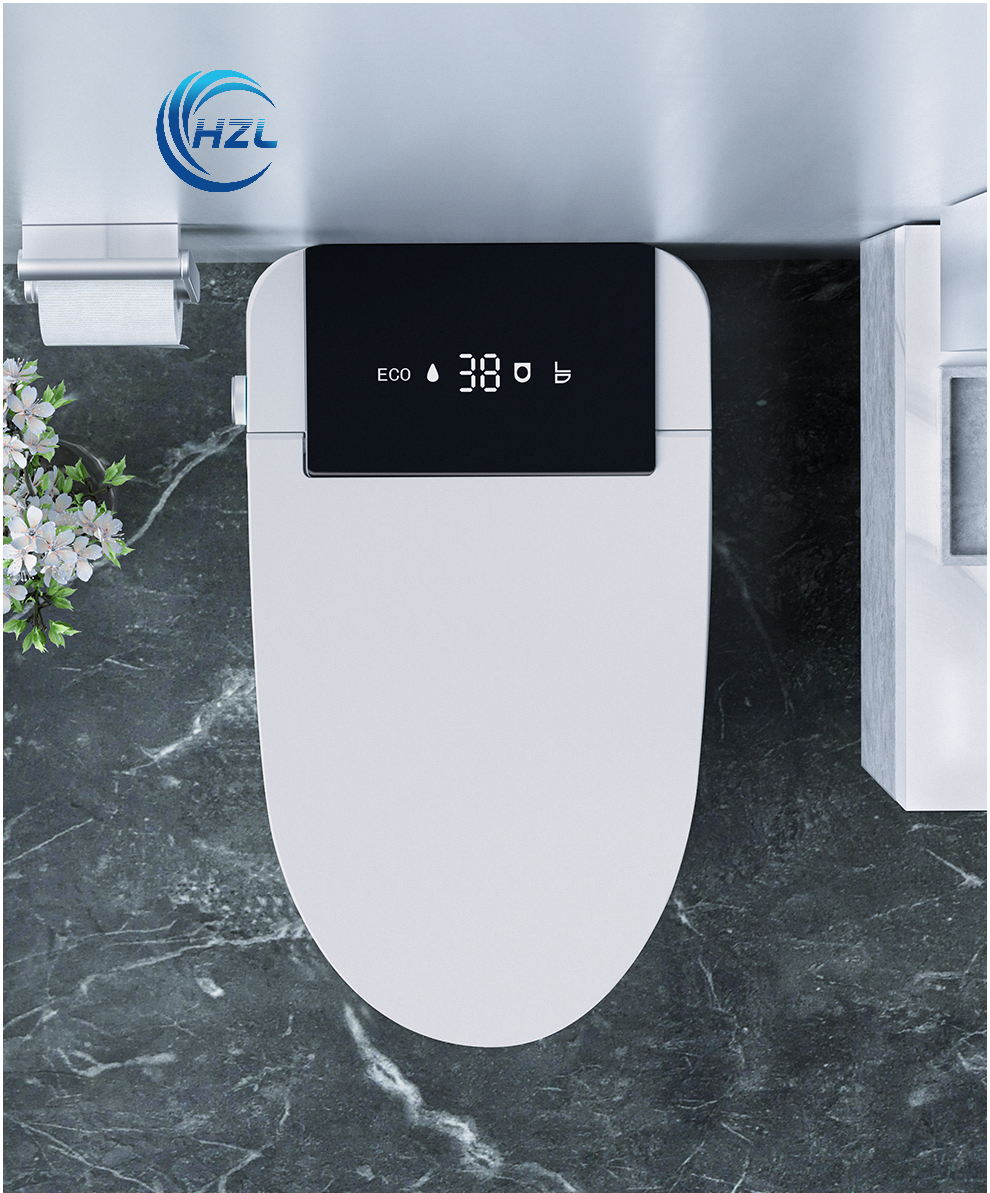
Smart toilet H945E
Advanced Stainless Steel Toilet Manufacturing Process Crafting Durable and Hygienic Modern Sanitary Solutions
2025-12-03
Where modern sanitary ware has evolved massively with the introduction of stainless steel processes in the manufacture of toilets, thus increasing their length of life and hygiene qualities, it has also assisted infilling a market where there is a demand for good sanitary ware and increased sanitation. Rapid urbanisation has demanded that sanitary ware manufacturers upgrade existing materials, vitally porcelain and plastic, to stronger, more resistant types which stain, rust and are resistance to germs. Under these conditions, the introduction of stainless steel toilets should prove to be a boon, as it is a cheaper effective means of producing long-lived, easily cleaned goods which until recent years had been little thought of. Modern methods of manufacture of this nature turn out cheap labour-saving systems which are often made use of, in fact some have been in existence for centuries, till the improvements of the 19th century made them what they are. Steel used in the manufacture of a stainless steel urinal or closet is usually high-class stainless steel, usually simply known as austenitic stainless steel (Type 304 or 316). This is certain type of alloy of steel, which is recognised as offering great resistance against stains from rust, corrosion and mechanical respects. They are nickel stainless steels which have large quantities of iron chromium and nickel, which alloy together to form a passive film of chromium oxide which gives great resistance in corrosive places, and gives in the end a material which is largely used in the manufacture of a heavy class of sanitary appliances. Very stringent tests are made of the steel as formed, plates are tested as to their thickness, composition and surface finish, before they are used for the various products they are made into. This is extremely necessary, as it is important that the materials should be of such a nature that they will last a reasonable duration of years, without loss of hygiene or appearance in their working. The steel used is cleaned disinfected and correctly prepared. Thus it comes to pass that degreasing and pickling processes are gone through in respect to the steel plates before the work of sanitary manufacture is commenced.This preparation step secures the material free from impurity, then the shaped product is less liable to be unsound, as the preparation has been skilful. Working with the finest materials, and again preparing the same with care, will lead to a toilet with all the strength and purity which modern users demand, hence we can see their suitability for use in all cases where durability and purity are requisite.
By precision cutting and shaping, modern manufacture is started. These cutting systems involve the use of laser or else cutting through the agency of plasma, which, under the control of computers, cut and shape the stainless steel sheets into different parts of the toilet, or else seats, tanks, bowls etc. The result is that precision cutting can guarantee exact finished dimensions and smooth edges. The great advantage of such cutting systems is that all waste is allowed for. Also, modern types of toilet can be made to specifications. These will be of the simplest lines, or those adapted for various disabilities, that effect such as the self-operating urinals, or the flow types, can be provided for.
The advantage of these mechanical cutting systems is again based on their repeatability that is always important and which would seem to conform to modern architectural ideas about the toilet, etc., but still preserve that stability which is so desirable to ensure durability and purity of materials.
After the cutting of the flat sheets, they will fall into the groups for bending and welding. This is performed, using such processes as the TIG (Tungsten Inert Gas) welding, which enables the joints to be perfectly strong, particularly where great strength is to be looked for in the system and deter leakage. There are qualified men who supervise this process, in order to see that the various parts of the toilet shall not become distorted or weak, and each toilet should thus be devoid of weakness and therefore conform to safety devices etc.The forming process also entails the pressing and stamping operations for the desirable complex curves and shapes, giving greater comfort, and facilitating the proper waterflows and the removal of waste. By these detailed operations, the toilet is given its suitable functional form which is embroidered in further developments to provide the germicidal factor in sanitary conditions.
Surface Treatment and Germicidal Effect.
To develop greater hygienic value, the stainless steel finish is embellished with special coatings, such as electropolishing or passivation, which serve to smooth up the microscopic irregularities in the finish and increase the protective coating of chromium oxide. This results in the extremely the bacteriological adhering quality, that it is omniscient to germs, fungus and odor, thus providing a higher order of sanitation in the restroom. Certain manufacturers provide garments of coating that demonstratively influenced the growth of germ life, further recommending the use of toilets in places of high infection, such as hospitals, schools, etc. The processes employed not only furnish greater sanitation, but it is also so artistic that a smooth appearance results, a quality much desired by modern buyers because of the ease of actual cleaning.
After surface treatment, the various parts are assembled and subjected to tests for quality control, as leak tests, stress tests, etc., to determine that they will function under normal uses. The hygienic ether is further enhanced with such design points as smooth joints and round corners, giving no place for dirt to hide, or require cleaning in ordinary scrubbing. By these advanced treatments the stainless steel toilets are produced satisfactorily from the commercial point of view, endangering the further use of deadly chemicals and frequent replacements needed, which added to the efforts of the world to increase the public health and conservation of the country.
Quality Control and Conservation.
The whole work done is meted out under severe tests of quality control, to provide a guaranteed product for each toilet cover to producers, sufficient to pass the accepted international standards of durability, safety, and water use. The product is thus examined for defects in work or proper surfaces by non-destructive measures, as the ultra-sonic tests detect defects in welding, etc. The products are also tested for performance under tests for weight lifting or flush performance, thus eliminating all products that would not stand in industrial use. By these stringent values established by the manufacturing concerns, the product is obtained with a long life of use, thus lessening the cost of life, and increasing the satisfaction of the consumer.
From the conservation view-point the stainless steel toilet has a high possible conservation value due to its recyclableness and the methods of manufacture used in production. The product is of a steel alloy largely from the old steel, thus citizens will not suffer from consumption of needed natural factor value, while the durability of the end product increases the use and decreases the refuse of unnecessary waste for a long time. Most of the processes employed are also bolstered with conserved measures for the production of toilets, as systems that conserve water for flushings, which also promote the green values necessary in building constructions. It is thus provided that the advanced means of manufacture will not only produce sanitary and durable products but they will also serve to add rounds in the circle of economy, thus helping in due order of time to revolutionize the entière question for more sanitary habits of life. Thus the intelligent buyer will gain a great health gain in obtaining toilets of this nature.
By precision cutting and shaping, modern manufacture is started. These cutting systems involve the use of laser or else cutting through the agency of plasma, which, under the control of computers, cut and shape the stainless steel sheets into different parts of the toilet, or else seats, tanks, bowls etc. The result is that precision cutting can guarantee exact finished dimensions and smooth edges. The great advantage of such cutting systems is that all waste is allowed for. Also, modern types of toilet can be made to specifications. These will be of the simplest lines, or those adapted for various disabilities, that effect such as the self-operating urinals, or the flow types, can be provided for.
The advantage of these mechanical cutting systems is again based on their repeatability that is always important and which would seem to conform to modern architectural ideas about the toilet, etc., but still preserve that stability which is so desirable to ensure durability and purity of materials.
After the cutting of the flat sheets, they will fall into the groups for bending and welding. This is performed, using such processes as the TIG (Tungsten Inert Gas) welding, which enables the joints to be perfectly strong, particularly where great strength is to be looked for in the system and deter leakage. There are qualified men who supervise this process, in order to see that the various parts of the toilet shall not become distorted or weak, and each toilet should thus be devoid of weakness and therefore conform to safety devices etc.The forming process also entails the pressing and stamping operations for the desirable complex curves and shapes, giving greater comfort, and facilitating the proper waterflows and the removal of waste. By these detailed operations, the toilet is given its suitable functional form which is embroidered in further developments to provide the germicidal factor in sanitary conditions.
Surface Treatment and Germicidal Effect.
To develop greater hygienic value, the stainless steel finish is embellished with special coatings, such as electropolishing or passivation, which serve to smooth up the microscopic irregularities in the finish and increase the protective coating of chromium oxide. This results in the extremely the bacteriological adhering quality, that it is omniscient to germs, fungus and odor, thus providing a higher order of sanitation in the restroom. Certain manufacturers provide garments of coating that demonstratively influenced the growth of germ life, further recommending the use of toilets in places of high infection, such as hospitals, schools, etc. The processes employed not only furnish greater sanitation, but it is also so artistic that a smooth appearance results, a quality much desired by modern buyers because of the ease of actual cleaning.
After surface treatment, the various parts are assembled and subjected to tests for quality control, as leak tests, stress tests, etc., to determine that they will function under normal uses. The hygienic ether is further enhanced with such design points as smooth joints and round corners, giving no place for dirt to hide, or require cleaning in ordinary scrubbing. By these advanced treatments the stainless steel toilets are produced satisfactorily from the commercial point of view, endangering the further use of deadly chemicals and frequent replacements needed, which added to the efforts of the world to increase the public health and conservation of the country.
Quality Control and Conservation.
The whole work done is meted out under severe tests of quality control, to provide a guaranteed product for each toilet cover to producers, sufficient to pass the accepted international standards of durability, safety, and water use. The product is thus examined for defects in work or proper surfaces by non-destructive measures, as the ultra-sonic tests detect defects in welding, etc. The products are also tested for performance under tests for weight lifting or flush performance, thus eliminating all products that would not stand in industrial use. By these stringent values established by the manufacturing concerns, the product is obtained with a long life of use, thus lessening the cost of life, and increasing the satisfaction of the consumer.
From the conservation view-point the stainless steel toilet has a high possible conservation value due to its recyclableness and the methods of manufacture used in production. The product is of a steel alloy largely from the old steel, thus citizens will not suffer from consumption of needed natural factor value, while the durability of the end product increases the use and decreases the refuse of unnecessary waste for a long time. Most of the processes employed are also bolstered with conserved measures for the production of toilets, as systems that conserve water for flushings, which also promote the green values necessary in building constructions. It is thus provided that the advanced means of manufacture will not only produce sanitary and durable products but they will also serve to add rounds in the circle of economy, thus helping in due order of time to revolutionize the entière question for more sanitary habits of life. Thus the intelligent buyer will gain a great health gain in obtaining toilets of this nature.
SUBSCRIBE
INQUIRY